eWASTE DRIVE
I launched an e-waste initiative after noticing how many broken computers were being discarded, unnecessarily contributing to environmental pollution. I realized that with repair and care, many of these devices could be given a second life, reducing waste while expanding access to technology for children who need it most.
Each Saturday, I drove through my neighborhood distributing flyers I designed to raise awareness about the project. I also sent cold emails to local organizations and community members, seeking donations of unused or broken computers.
One of my most meaningful connections was with the Vice Mayor of Pinecrest. After sharing my mission, he helped me obtain unused computers from the department. I also connected with Mr. Rodriguez, my school’s head of technology, who donated several outdated computers no longer in use. These partnerships were instrumental in turning my idea into action.
Through these efforts, I collected 45 computers and successfully refurbished 33 of them. While seven devices had irreparable damage and were used for parts, the refurbished computers were brought to a school in India in the summer of 2025, where I used them to teach students computer programming, pairing sustainability with educational opportunity.

SOLAR PROJECT
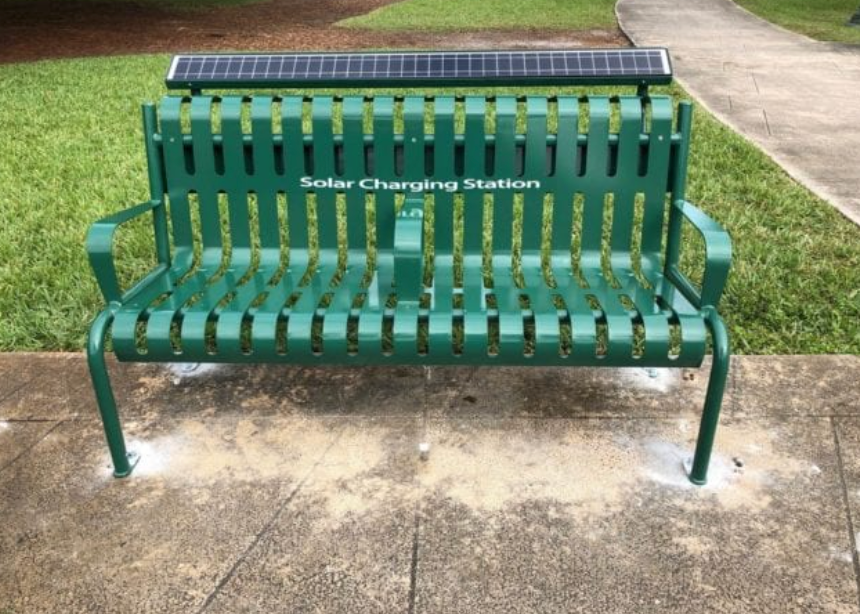
The Solar Project was created to expand access to renewable energy in Miami while educating the public about solar power through interactive solar benches.
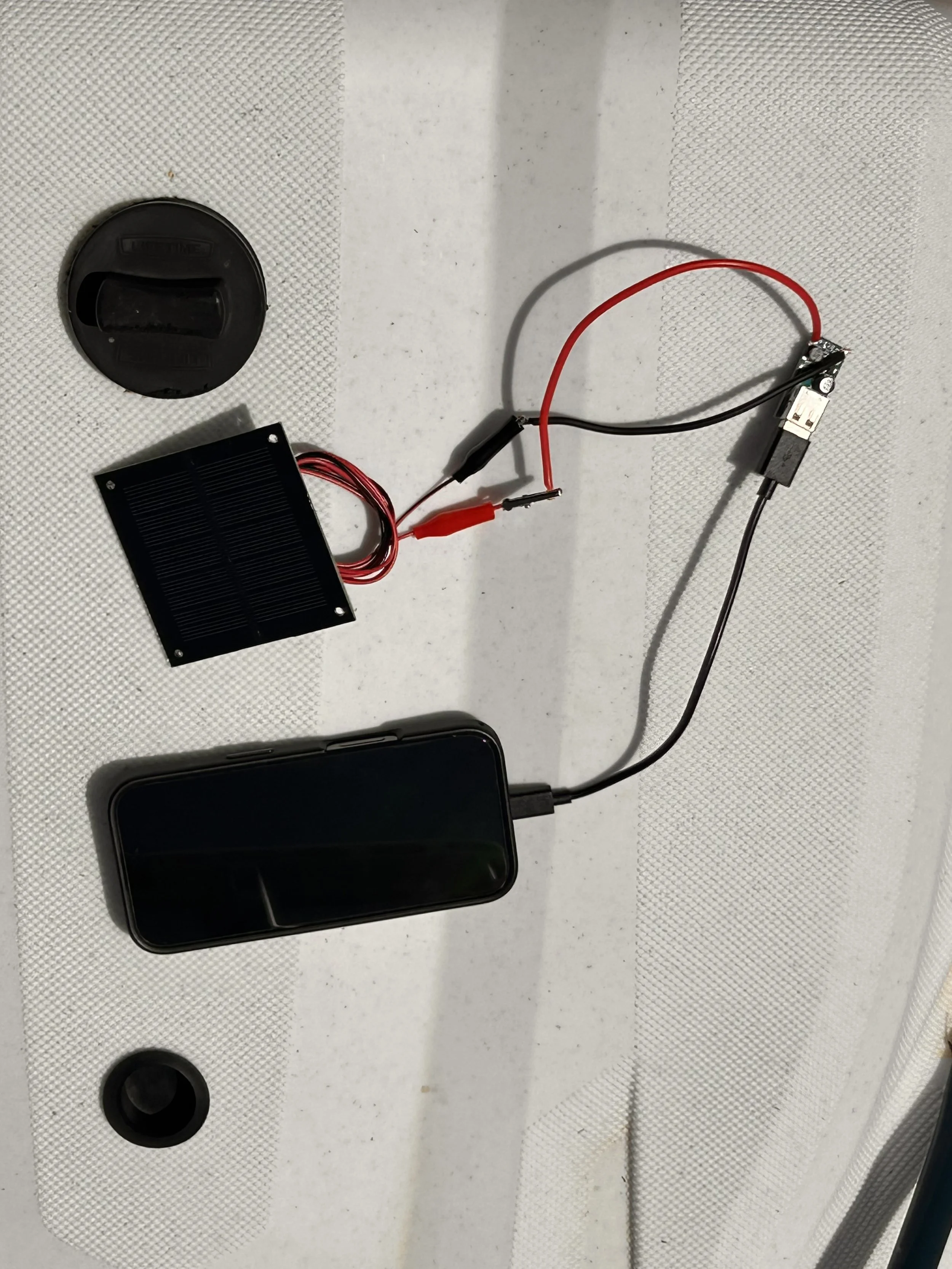
To strengthen the project’s long-term vision, I proposed and developed the concept for a solar bench app, which elevated our presentations to city officials and nonprofit partners. Working with one teammate, I built the first mobile solar-charging prototype to support members of the unhoused community. In parallel, I aligned the team around a shared mission by clearly defining our goals and mapping out actionable next steps.
To maximize resources, I partnered with the University of Miami to access their 3D-printing facilities, reducing production costs by over 90% compared to public printers. After more than ten hours of research and design, we successfully printed two upgraded prototypes. Beyond technical work, I mentored teammates in professional outreach, sharing effective email strategies that had produced strong responses in my own communications.
A meeting with four city officials sparked the idea of adding QR codes to solar benches to share educational content about renewable energy. This concept quickly expanded: we implemented QR codes on five solar benches and over twenty standard public benches across the community.
To build credibility and secure partnerships, I designed and presented two working solar bench prototypes to the vice mayor and multiple city officials. Throughout the process, I recruited additional team members, researched future improvements, and sustained momentum to push the Solar Project forward.